Healthcare Is a Conversation, Not Just an Appointment
Many people approach medical appointments feeling unsure.
They may wonder:
Will I have enough time to ask questions?
Will I remember everything I wanted to discuss?
Will the appointment feel rushed?
In some healthcare settings, appointments can feel quick and transactional.
Symptoms are discussed.
Treatment is prescribed.
The visit ends.
But effective healthcare requires something more.
It requires conversation.
A Partnership Between Patient and Provider
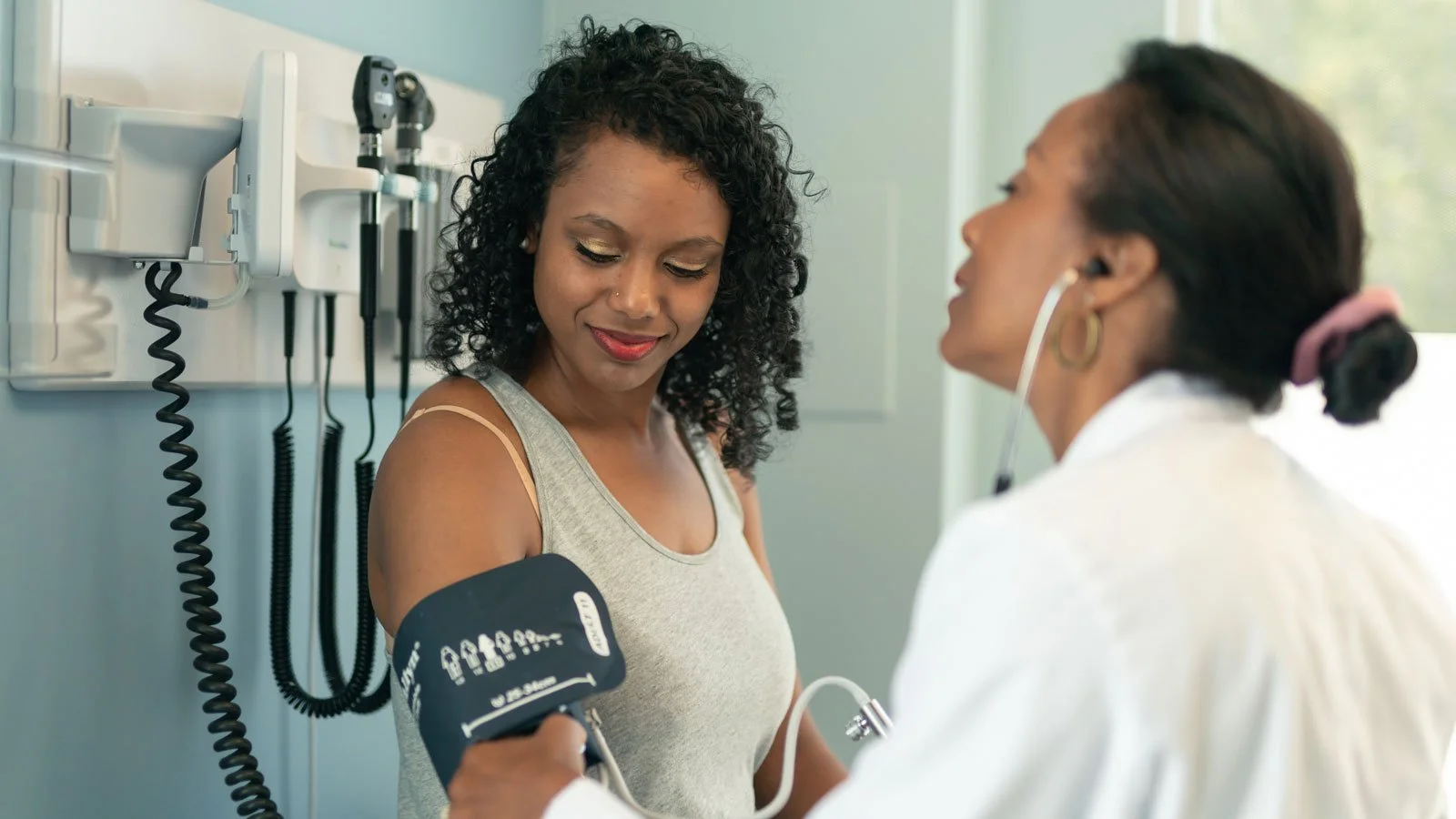
Healthcare works best when patients and providers collaborate.
Patients bring important knowledge about their daily lives:
Their routines
Their symptoms
Their lifestyle habits
Their concerns
Providers bring medical expertise and clinical experience.
When these perspectives come together openly, healthcare becomes far more effective.
Why Open Communication Matters
Patients who feel comfortable asking questions are more likely to:
Understand their diagnosis
Follow treatment plans
Recognize warning signs early
Take an active role in their health
For example, a patient might casually mention fatigue during a conversation. That small detail could lead to testing that reveals an underlying condition.
Another patient might ask about nutrition or stress management, leading to lifestyle changes that significantly improve their well-being.
Creating Space for Real Conversations
Community clinics are uniquely positioned to encourage these conversations.
Because providers often develop long-term relationships with patients, visits feel less like quick transactions and more like discussions focused on overall wellness.
At Blessings Community Care Clinic, patient-centered care means:
Listening carefully
Encouraging questions
Making sure patients leave with clarity about their health
Healthcare should never feel one-sided.
It should feel like a partnership built on communication, understanding, and trust.
And sometimes, the most powerful part of healthcare is simply being heard.