Start Them Young — Why Teaching Health to Our Children Matters
Introduction
Habits don’t start in adulthood. They start in childhood.
If we want healthier communities tomorrow, we must start shaping healthy children today.
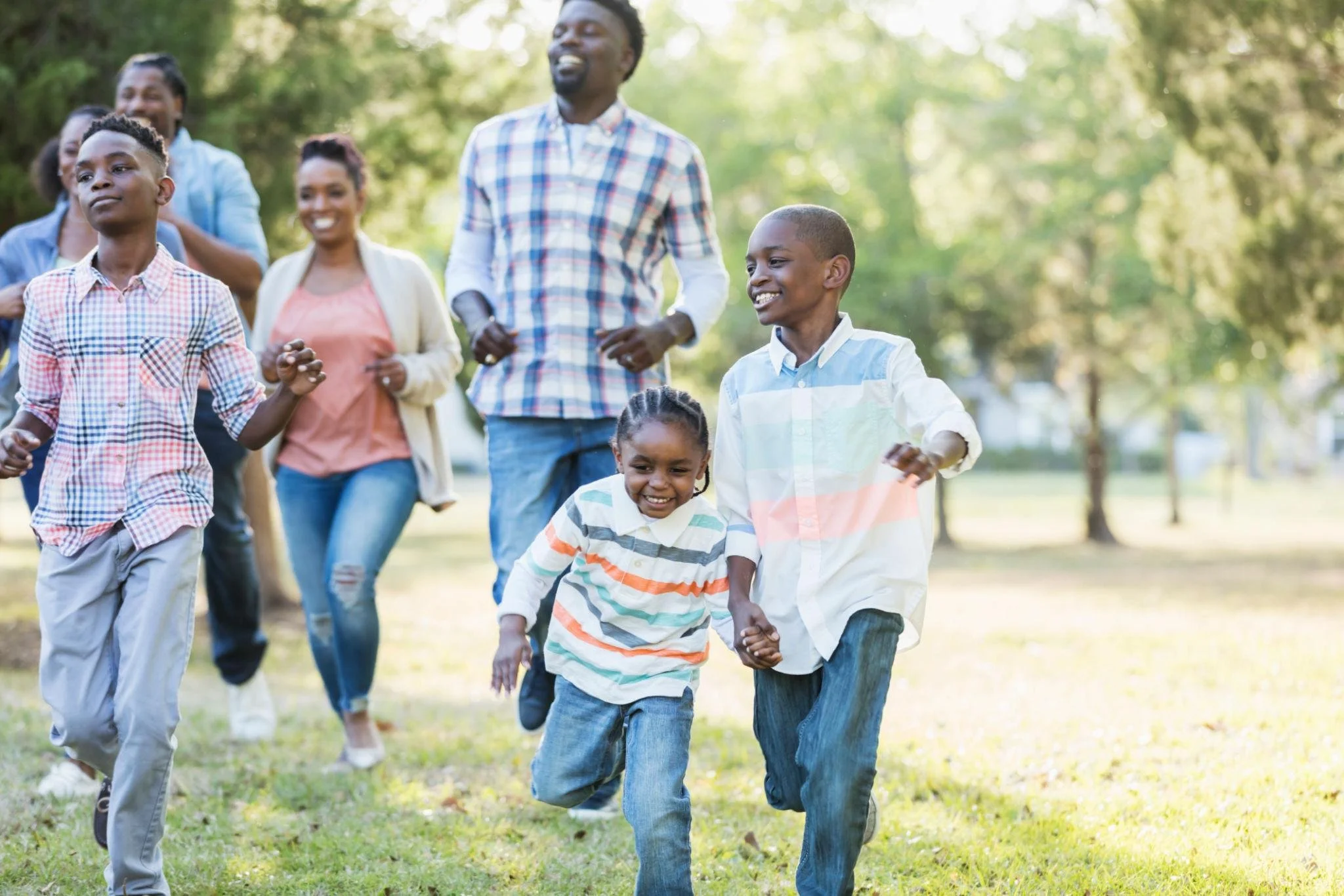
Why Early Health Matters
Children develop lifelong habits between the ages of 5 and 12. During this time:
Food preferences are formed.
Attitudes about exercise are shaped.
Emotional coping skills are learned.
Self-image begins to develop.
If we wait until adulthood to teach discipline, balance, and nutrition, we are already behind.
The Power of Modeling
Children do not do what we say. They do what we do.
If they see:
Parents drinking water
Parents cooking at home
Parents working out
Parents managing stress in healthy ways
They learn that health is normal — not optional.
Health should not feel like punishment. It should feel like lifestyle.
Building Healthy Foundations
Here are simple ways to start:
1. Make Movement Fun
Family walks
Sports
Dance nights at home
Bike rides
2. Normalize Healthy Eating
Introduce fruits and vegetables early
Limit sugary drinks
Teach them how to cook
Explain what food does for the body
Instead of saying, “Don’t eat that,” explain:
“This food helps your muscles grow.”
“This food helps your brain think.”
Children respond to understanding.
3. Teach Emotional Health
Physical health and mental health go together.
Teach children:
It’s okay to talk about feelings.
Stress needs healthy outlets.
Rest is important.
Prayer, journaling, or quiet time builds strength.
Breaking Generational Cycles
Many families struggle with preventable diseases. When we teach our children better habits early, we interrupt those patterns.
We are not just raising kids.
We are raising future leaders, parents, and legacy carriers.
Conclusion
Health is not just about looking good. It is about living long, living strong, and living with purpose.
If we start young:
We reduce disease.
We increase confidence.
We build discipline.
We create a culture of wellness.
Healthy children become strong adults.
And strong adults build strong communities.